
A new review reveals that microplastics are not just pollutants but also act as carriers for toxic chemicals, microorganisms, and antibiotic resistance genes across various environmental compartments. This "Trojan horse effect" allows them to transport persistent organic pollutants and heavy metals, releasing them into organisms upon ingestion. Additionally, microplastics foster microbial communities, known as the plastisphere, which can accelerate the spread of antimicrobial resistance, amplifying ecological hazards.

Researchers at IIT Madras have patented a chemical-free antibacterial surface that physically eliminates harmful bacteria, including "superbugs," without relying on antibiotics or disinfectants. This innovative technology uses specially engineered nanostructures to rupture bacterial cell walls, offering a sustainable solution to Antimicrobial Resistance (AMR) for biomedical and public health applications.

Delhi Police arrested a man, Surender, for allegedly spreading misinformation on social media regarding the mass death of fish in the Yamuna river near Sonia Vihar. The arrest follows an FIR filed by the Delhi government's irrigation and flood control department. The incident has sparked a political debate between Delhi Water Minister Parvesh Verma and the AAP, with both sides trading accusations over pollution and river cleaning efforts. The exact cause of the fish deaths remains unconfirmed, raising concerns ahead of Chhath Puja.
Researchers at NIT Rourkela have developed a novel material from discarded jackfruit peels, capable of removing over 90% of fluoride from contaminated water in about 10 minutes under laboratory conditions. This patented technology, which uses activated carbon modified with zirconium, offers a promising, cost-effective, and sustainable solution for decentralised water treatment, particularly in fluoride-affected regions of India.

India's food safety watchdog, FSSAI, has initiated prosecution against Bisleri International after its packaged drinking water was deemed "unsafe" due to chemical non-compliance.

The Supreme Court has directed authorities to address concerns regarding passenger amenities at railway stations, including safe drinking water, sanitation, and medical facilities. The directive follows a plea highlighting deficiencies based on a CAG report, urging remedial measures to ensure passenger health and safety.
Researchers from IIT Guwahati and BHU have devised an eco-friendly biological method to treat textile wastewater, specifically targeting toxic azo dyes. Their novel bacterium, 'Brevundimonas sp. AJZ05', effectively degrades 98.50 per cent of Direct Blue-6 dye, producing non-toxic byproducts, offering a sustainable alternative to conventional chemical treatments.

E-Eye, which cost about Rs 3,500 to develop, can test a sample for around Rs 2, making it particularly suitable for field-level water quality monitoring in areas where access to sophisticated laboratories is limited.
Researchers at IIT-Guwahati have identified a type of blue-green algae (cyanobacteria) that can effectively remove lead from contaminated water. The study highlights the role of exopolysaccharides (EPS) produced by the algae in absorbing lead, with laboratory experiments showing up to 66.2% removal. This discovery offers a promising, naturally abundant solution for water purification, though further validation is needed before commercial application.

The Maharashtra Food and Drug Administration has issued a comprehensive order mandating free drinking water for customers in all food establishments, banning food served in newspapers, and introducing rigorous operational standards. These new regulations aim to improve food safety, hygiene, and transparency across hotels, restaurants, and other food service providers in the state.

The Defence Acquisition Council, led by Defence Minister Rajnath Singh, has approved the procurement of military hardware worth an estimated Rs 1.10 lakh crore for the Indian Army, Navy, and Air Force. This significant move aims to enhance India's combat prowess and reduce dependency on foreign vendors, with approximately 98 per cent of procurements sourced from Indian industry.

Researchers at Delhi's Indraprastha Institute of Information Technology have developed 'MutAIverse', a generative AI platform designed to decode DNA damage and identify potential causes of cancer. Tested on head and neck cancer patients in Guwahati, the platform successfully traced exposure to smokeless tobacco as a contributing factor. This innovation aims to shift focus from just diagnosis to understanding causative factors, potentially aiding in prevention and protection.

At least three people have died and over 100 hospitalized in Indore, India, after allegedly drinking contaminated water. Residents claim the death toll is higher. Authorities are investigating the source of the contamination and providing medical assistance.

From the air we breathe to the surfaces we touch, our everyday workplace can quietly influence both our physical and mental wellbeing, warns Dr Vikram Vora.

IIT Bhubaneswar researchers have developed 'ArsenSafe', a portable, low-cost device for rapid, on-site detection of arsenic in drinking water. This innovation aims to address the critical public health challenge of arsenic contamination in groundwater, offering a solution that doesn't require laboratory infrastructure.

The 2026's Dirty Dozen list identifies, globally, the 12 types of fruit and vegetables found to carry the highest levels of pesticide residue among 47 items assessed.
A new study reveals that ovalbumin, the main protein in egg whites, can effectively bind and remove per- and polyfluoroalkyl substances (PFAS) from contaminated water, presenting a sustainable solution for tackling these persistent chemicals.
Scientists at the GraphIN 2026 conference in Kochi highlighted graphene's potential in water purification, discussing graphene-based membranes and nanocomposites for removing pollutants and improving desalination.

'If a parent was diagnosed at 50, the child should start screenings 5 to 10 years earlier (around 35 to 40).' 'Awareness of family history and age of onset helps catch the disease early.'
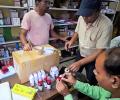
The Central Drugs Standard Control Organisation (CDSCO) will conduct testing, inspection and auditing of cough syrup manufacturers.

Though some ingredients such as mild odours or silicones might not be actually harmful, others such as sulphates, parabens or formaldehyde releasers can result in skin irritation, hormonal imbalances and skin barrier damage, advises Dr Ameesha Mahajan.

The Rajasthan government has suspended the state drug controller and halted the distribution of medicines manufactured by Kaysons Pharma following reports of children's deaths allegedly linked to contaminated cough syrup.
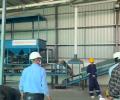
Nearly 900 tonnes of ash generated from the incineration of toxic waste linked to the Bhopal gas tragedy remains undispensed after the Madhya Pradesh High Court directed the state government to find an alternative disposal site.

'Reviewing terms such as war, invasion, acts of foreign enemies or hostilities, which often appear in industry exclusion lists, can help avoid surprises at the time of claim.'

The toll in the case reached nine in Madhya Pradesh while media reports said of two infants died in Rajasthan.
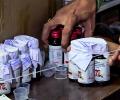
A special investigation team (SIT) has been formed in Madhya Pradesh to investigate the deaths of 14 children in Chhindwara, suspected to be linked to a toxic cough syrup. The investigation includes arrests, exhumations, and a ban on the implicated cough syrup.
High levels of toxic chemicals are still found in Bhopal's drinking water, a new report published ahead of the 25th anniversary of the Bhopal gas tragedy, said.
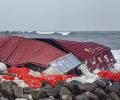
The Kerala State Pollution Control Board (KPCB) is on high alert after a Liberian vessel carrying hazardous cargo sank off the Kerala coast. While no calcium carbide containers have washed ashore yet, a thin layer of oil spill has been detected. The KPCB is working to contain the spill and prevent it from reaching the shore, but rough conditions at sea have hampered efforts to spray dispersants. The board is also taking steps to prevent the oil from reaching the Ashtamudi and Vembanad lakes.
The number of suspected Guillain-Barre Syndrome (GBS) cases in Maharashtra has reached 163, with five deaths reported so far. Five new cases were detected in Pune, bringing the total number of confirmed cases to 127. The official also stated that 168 water samples from different parts of Pune city were sent for chemical and biological analysis, and eight water sources were found to be contaminated.
A 36-year-old man diagnosed with Guillain-Barr Syndrome (GBS), a rare nerve disorder, died in a civic-run hospital in Pune, taking the number of suspected GBS fatalities to three in Maharashtra. The patient, a driver with a cab service, was admitted to the Yashwantrao Chavan Memorial Hospital (YCMH) in Pimpri Chinchwad on January 21. An expert committee at YCMH concluded that the cause of death was trauma to the respiratory system due to pneumonia, leading to severe difficulty in breathing. The committee also noted that the patient had been diagnosed with GBS, with a nerve conduction test done on January 22. The immediate cause of death was identified as severe acute respiratory distress syndrome (ARDS). With the latest loss of life, the number of suspected GBS deaths in Maharashtra has reached three. According to health officials, the suspected cases of the rare nerve disorder have risen to 130 in the state. Most of the cases in the state are from Pune and surrounding areas, and these infections, including the latest case, are likely linked to contaminated water sources. Campylobacter jejuni, a bacteria found in contaminated food and water, is believed to be the reason for the outbreak.
The Delhi high court has directed a Noida resident to remove her social media posts that alleged she found a centipede in a tub of Amul ice cream bought by her.
A man suspected to have contracted Guillain-Barre syndrome (GBS) has died in Maharashtra's Solapur district, while the number of cases of the immunological nerve disorder in Pune rose to 110, health officials said on Monday.
A woman is suspected to have died of Guillain-Barr syndrome (GBS) in Maharashtra on Wednesday, while 16 new cases of the rare nerve disorder were reported in the state, health officials said.

Foods contaminated by newspaper ink raise serious health concerns since the ink contains multiple bioactive materials with known negative health effects, the advisory said.

The Food Safety and Standards Authority of India (FSSAI) has commissioned a quality check on MDH and Everest products. This follows complaints that several popular spice mixes of the two leading brands contained traces of ethylene oxide more than the permissible levels, official sources said. This move by FSSAI comes after Hong Kong and Singapore recalled variants of the two masala majors' products in their countries.

Kiran Bhatt, a cosmetologist with a PhD in nutrition, explains how poor hygiene and lifestyle can impact your skin's health causing infections.

The Madhya Pradesh high court in Jabalpur on Monday directed the state government to take steps within six weeks for disposal of Bhopal-based Union Carbide's 337 tonnes of hazardous waste as per safety protocols, while restraining the media from publishing any fake news on the same.

In a major blow to victims of the 1984 Bhopal gas tragedy, a United States court has ruled that the Union Carbide Corporation cannot be sued for the ongoing contamination from the chemical plant.

Avoid microwaving food or beverages in plastic containers, as heat can accelerate chemical leaching, suggests Dr Sudha Desai.

The Uttar Pradesh government, citing a scientist, has asserted that Ganga water at the ongoing Maha Kumbh in Prayagraj is as pure as "alkaline water", debunking concerns raised by the Central Pollution Control Board (CPCB) about water quality. The government claims that a scientist found no bacterial growth or decline in the water's pH level, despite millions of devotees bathing in the river. However, experts caution that the quality of the Ganga water is not static and can vary greatly depending on various factors.
